



Skincare Ingredients That Actually Work
The skincare industry can feel overwhelming — shelves lined with products promising miracles, each with a long list of ingredients you can barely pronounce. But the truth is, a handful of well-researched ingredients do the heavy lifting when it comes to healthy, radiant skin. Here's your guide to the ingredients your skin truly loves and how to use them effectively.
Vitamin C — The Brightening Powerhouse
Vitamin C (ascorbic acid) is one of the most studied and celebrated ingredients in skincare. As a potent antioxidant, it neutralises free radicals caused by UV exposure and pollution, preventing premature aging. It also inhibits melanin production, making it highly effective for fading dark spots and hyperpigmentation.
Additionally, Vitamin C is essential for collagen synthesis — meaning it helps keep skin firm and youthful. Use a Vitamin C serum in the morning, as it enhances the effectiveness of your sunscreen. Look for concentrations between 10–20% for optimal results.
Niacinamide — The Multi-Tasker
Niacinamide (Vitamin B3) is beloved by skincare enthusiasts for good reason — it does almost everything. It minimises the appearance of pores, regulates sebum production, brightens skin tone, reduces redness, and strengthens the skin barrier. It's also one of the most well-tolerated ingredients, making it suitable for sensitive skin.
Niacinamide pairs beautifully with most other ingredients and can be used morning or evening. A 5–10% concentration is effective for most skin concerns.
Hyaluronic Acid — The Hydration Hero
Hyaluronic acid is a naturally occurring molecule in the body that can hold up to 1,000 times its weight in water. As we age, our natural hyaluronic acid levels decline, leading to dryness and loss of plumpness. Topical hyaluronic acid replenishes this moisture, instantly plumping fine lines and giving skin a dewy, healthy appearance.
Apply hyaluronic acid to damp skin and follow immediately with a moisturiser to seal in the hydration. It's suitable for all skin types, including oily and acne-prone skin.
Ceramides — The Barrier Builders
Ceramides are lipids (fats) that make up approximately 50% of the skin's outer layer. They act as the "glue" that holds skin cells together, forming a protective barrier that keeps moisture in and irritants out. When the ceramide barrier is compromised, skin becomes dry, sensitive, and prone to conditions like eczema and rosacea.
Ceramide-rich moisturisers are particularly beneficial for dry, sensitive, and mature skin. They're gentle enough for daily use and work synergistically with other hydrating ingredients.
Aloe Vera — Nature's Soother
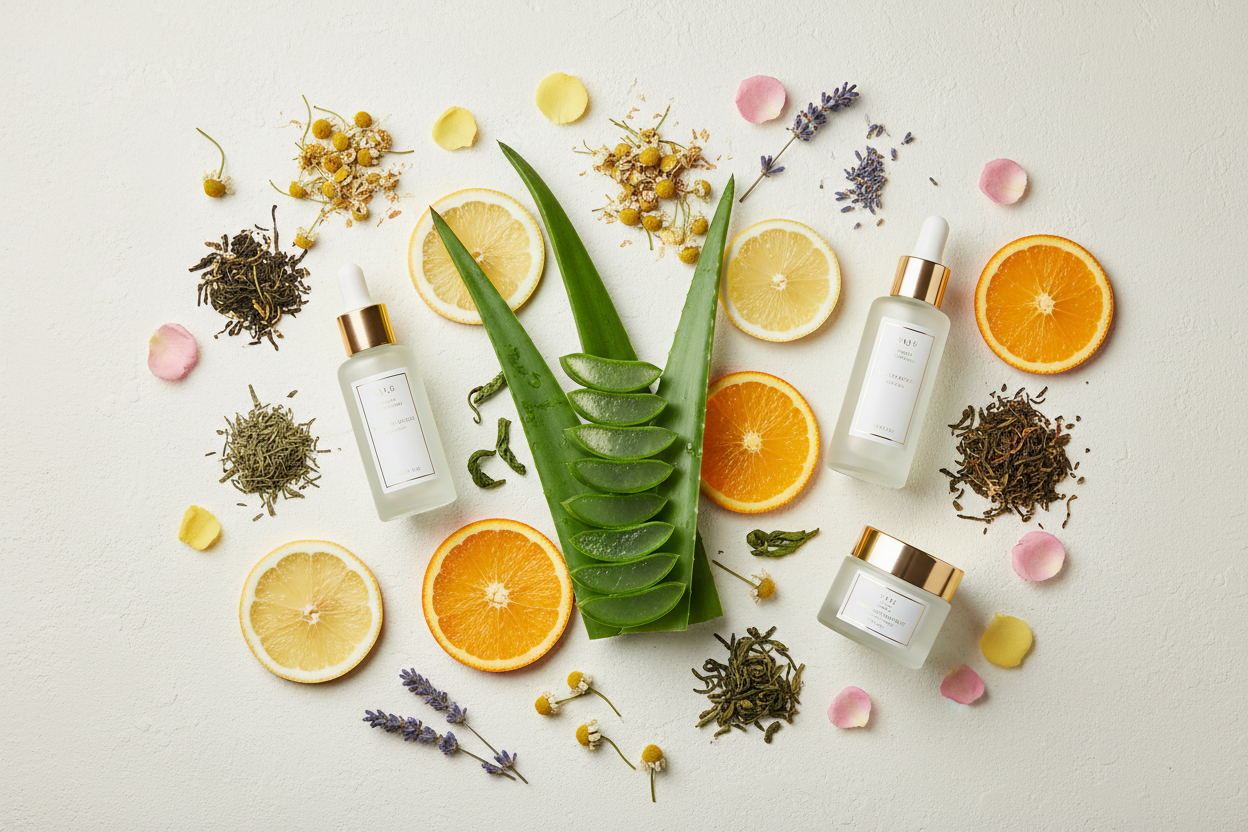
Aloe vera has been used for centuries for its healing and soothing properties. It contains over 75 active compounds including vitamins, minerals, enzymes, and amino acids. Topically, it calms inflammation, soothes sunburn, hydrates without greasiness, and supports wound healing.
Aloe vera is ideal for sensitive, reactive, or sun-exposed skin. It can be used as a lightweight moisturiser, a soothing mask, or a base for other treatments.
Green Tea — The Antioxidant Shield
Green tea extract is rich in polyphenols, particularly EGCG, which is one of the most powerful antioxidants known. In skincare, green tea extract reduces inflammation, protects against UV damage, and helps control sebum production — making it excellent for acne-prone skin.
It also has anti-aging properties, helping to prevent collagen breakdown and maintain skin elasticity. Look for it in serums, moisturisers, and toners.
Peptides — The Anti-Aging Communicators
Peptides are short chains of amino acids that act as messengers in the skin, signalling cells to produce more collagen and elastin. As we age, collagen production naturally declines — peptides help counteract this by stimulating the skin's own repair mechanisms.
Regular use of peptide-rich products can improve skin firmness, reduce the appearance of fine lines, and enhance overall skin texture. They're gentle enough for daily use and work well alongside other anti-aging ingredients.
How to Layer These Ingredients
A simple, effective routine: Vitamin C serum (AM) → Niacinamide moisturiser (AM/PM) → Hyaluronic acid serum (AM/PM) → Ceramide-rich moisturiser (PM) → Peptide eye cream (PM).
Understanding your ingredients empowers you to make smarter skincare choices — and invest in products that truly deliver results.
The key to maximising these ingredients is understanding how they work together. Layering is essential — apply lighter textures first (serums and essences) before heavier creams and oils. This ensures each ingredient penetrates effectively without being blocked by occlusive products.
It's also worth noting that not every ingredient needs to be in your routine at once. Start with one or two that address your primary skin concerns, then gradually introduce others as your skin adapts. This approach minimises the risk of irritation and helps you identify which ingredients truly make a difference for your unique skin.
Retinol — The Gold Standard for Anti-Aging
Retinol is a derivative of Vitamin A and remains one of the most clinically proven anti-aging ingredients available. It works by increasing cell turnover, stimulating collagen production, and improving skin texture and tone. Retinol also helps fade acne scars, reduce fine lines, and even out skin tone.
Because retinol can be potent, start with a low concentration (0.25–0.5%) and use it 2–3 times per week, gradually increasing frequency as your skin builds tolerance. Always use sunscreen during the day, as retinol increases sun sensitivity. Avoid combining retinol with Vitamin C, niacinamide, or acids in the same routine — space them out or use them on alternate nights.
Salicylic Acid — The Acne Fighter
Salicylic acid is a beta-hydroxy acid (BHA) that dissolves in oil, making it ideal for unclogging pores and treating acne. Unlike physical exfoliants, it gently dissolves the "glue" holding dead skin cells together, promoting clearer, smoother skin without
Salicylic acid is a beta-hydroxy acid (BHA) that dissolves in oil, making it ideal for unclogging pores and treating acne. Unlike physical exfoliants, it gently dissolves the "glue" holding dead skin cells together, promoting clearer, smoother skin without causing irritation. It's particularly effective for oily and acne-prone skin types.
Use salicylic acid 2–3 times per week initially, then increase frequency as tolerated. A 0.5–2% concentration is standard for most products. Avoid combining it with retinol or other exfoliating acids on the same night — alternate usage to prevent over-exfoliation and sensitivity.
Glycolic Acid — The Gentle Exfoliant
Glycolic acid is an alpha-hydroxy acid (AHA) derived from sugar cane. It works by breaking down the bonds between dead skin cells, promoting gentle exfoliation and revealing fresher, brighter skin underneath. It's smaller than salicylic acid, making it more suitable for sensitive skin and those with dry or mature skin concerns.
Glycolic acid improves skin texture, reduces the appearance of fine lines, and enhances the penetration of other skincare ingredients. Start with a 5–10% concentration used
Read more
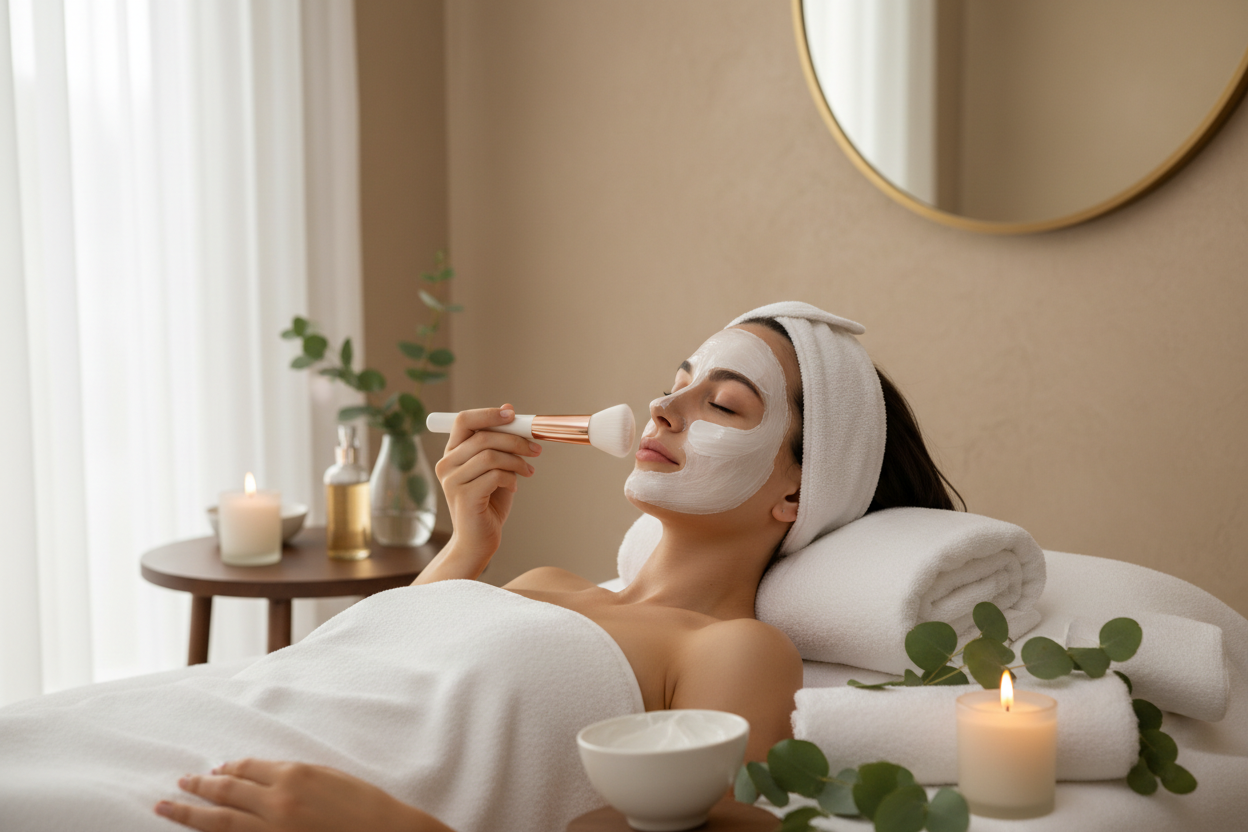
Weekly Face Masks: Your Skin's Reset Button
Think of a face mask as a weekly reset button for your skin. While your daily routine handles the basics, a targeted mask treatment goes deeper — addressing specific concerns, delivering concentrat...
Read more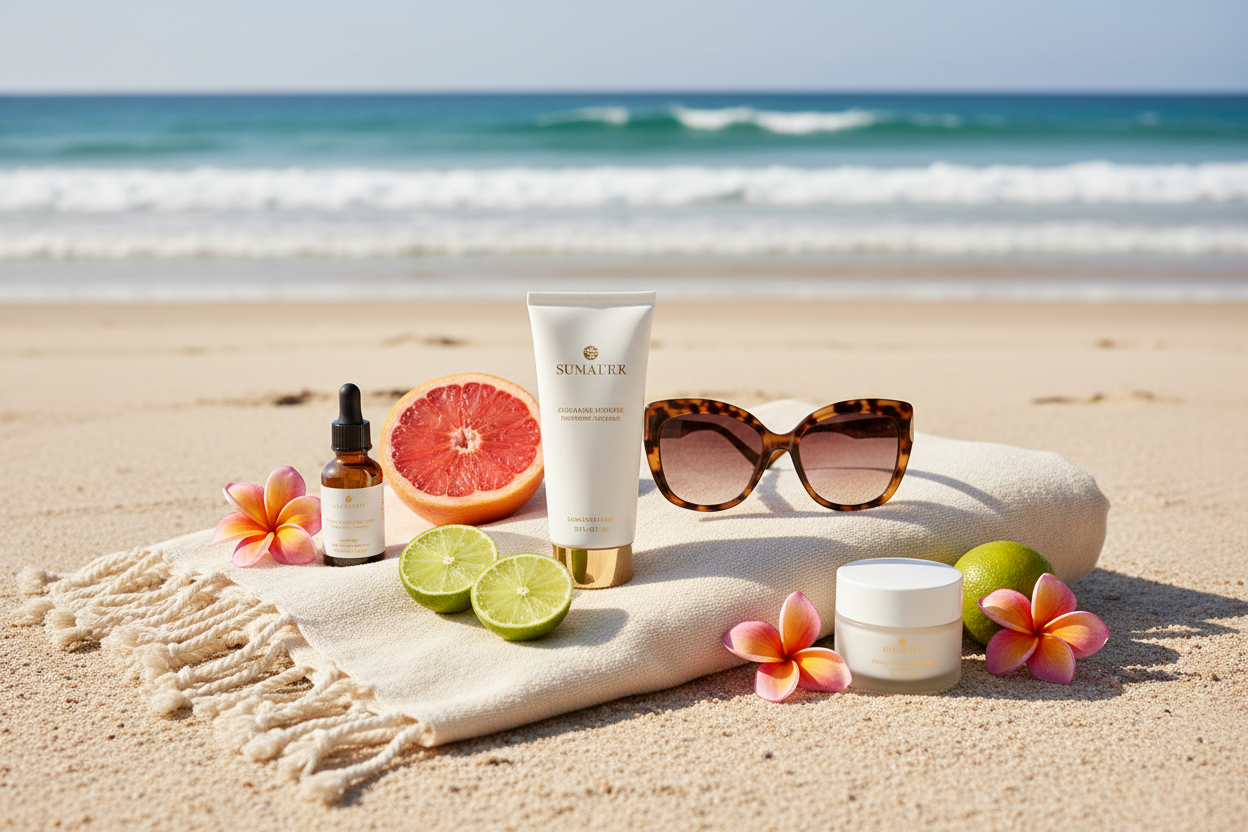
Summer Skincare: Protect and Glow All Season
Summer is the season of sunshine, outdoor adventures, and glowing skin — but it also brings unique challenges for your complexion. Increased UV exposure, heat, humidity, and sweat can wreak havoc o...
Read more