






Morning vs Evening Skincare: The Complete Guide
Your skin has different needs depending on the time of day — and your skincare routine should reflect that. A morning routine is about protection and preparation, while an evening routine is about repair and renewal. Understanding this distinction is the key to getting the most out of every product you use.
Why Your Skin Needs Different Care at Different Times
During the day, your skin faces a barrage of environmental stressors: UV radiation, pollution, blue light from screens, and free radicals. Your morning routine should create a protective shield against these aggressors.
At night, your skin shifts into repair mode. Cell turnover accelerates, collagen production increases, and your skin is more receptive to active ingredients. This is the ideal time to use treatments that work with your skin's natural regeneration process.
The Ideal Morning Skincare Routine
Step 1 — Gentle Cleanse: In the morning, a light cleanse is all you need to remove any overnight product residue and refresh your skin.
Step 2 — Toner (Optional): A hydrating toner balances your skin's pH and preps it to absorb the products that follow.
Step 3 — Vitamin C Serum: Antioxidants are your best defence against daytime free radical damage. Vitamin C brightens the skin, boosts collagen, and enhances the effectiveness of your sunscreen.
Step 4 — Eye Cream: A caffeine-infused eye cream helps reduce puffiness and dark circles in the morning.
Step 5 — Moisturiser: Lock in hydration with a lightweight moisturiser suited to your skin type.
Step 6 — SPF 30+ Sunscreen: This is non-negotiable. Sunscreen is the single most important anti-aging product you can use. Apply it as the final step every single morning, rain or shine.
The Ideal Evening Skincare Routine
Step 1 — Double Cleanse: Start with an oil-based cleanser to dissolve makeup, sunscreen, and excess sebum. Follow with a gentle water-based cleanser to remove any remaining impurities.
Step 2 — Exfoliant (2–3x per week): Use a chemical exfoliant like AHA or BHA to remove dead skin cells and improve texture.
Step 3 — Treatment Serum: This is where your actives go. Retinol stimulates cell turnover and reduces fine lines. Niacinamide brightens and minimises pores. Peptides support collagen production.
Step 4 — Eye Cream: A richer, more nourishing eye cream at night supports repair around the delicate eye area.
Step 5 — Moisturiser or Night Cream: Evening is the time for a richer, more occlusive formula. Ingredients like ceramides, shea butter, and squalane work overnight to deeply nourish and restore your skin.
Step 6 — Facial Oil (Optional): A few drops of rosehip or marula oil can be pressed over your moisturiser to seal everything in.
Key Rules to Remember
- Always wear SPF in the morning — even on cloudy days and indoors near windows
- Never use retinol in the morning — it degrades in sunlight and can cause sensitivity
- Vitamin C and retinol should not be used at the same time — use Vitamin C in the AM and retinol in the PM
- Less is more — layering too many actives can irritate your skin barrier
Overnight Repair Ingredients Worth Knowing
Retinol, bakuchiol (a natural retinol alternative), peptides, and growth factors are all most effective when used at night. They work synergistically with your skin's natural repair cycle to deliver visible results over time.
Consistency between your morning and evening routines is what creates lasting change. Think of your AM routine as your armour and your PM routine as your recovery — both are essential for truly healthy, radiant skin.
The difference between morning and evening skincare isn't just about timing — it's about working with your skin's natural biology. Your skin operates on a circadian rhythm, and the products you use should align with what your skin is actually doing at
Read more
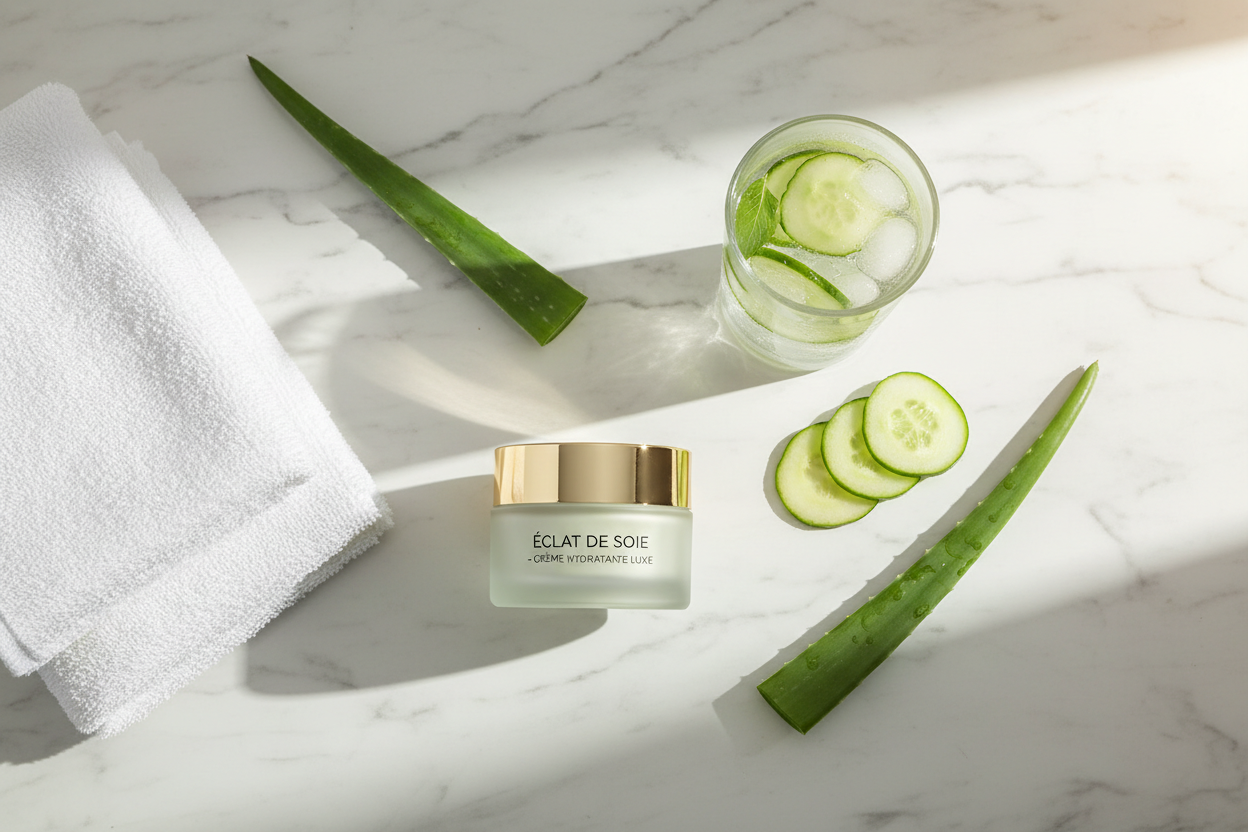
Why Hydration Is Your Skin's Best Friend
If you've ever wondered why your skin looks tired, dull, or older than it should — the answer is often simpler than you think: dehydration. Hydration is the cornerstone of healthy, youthful skin, a...
Read more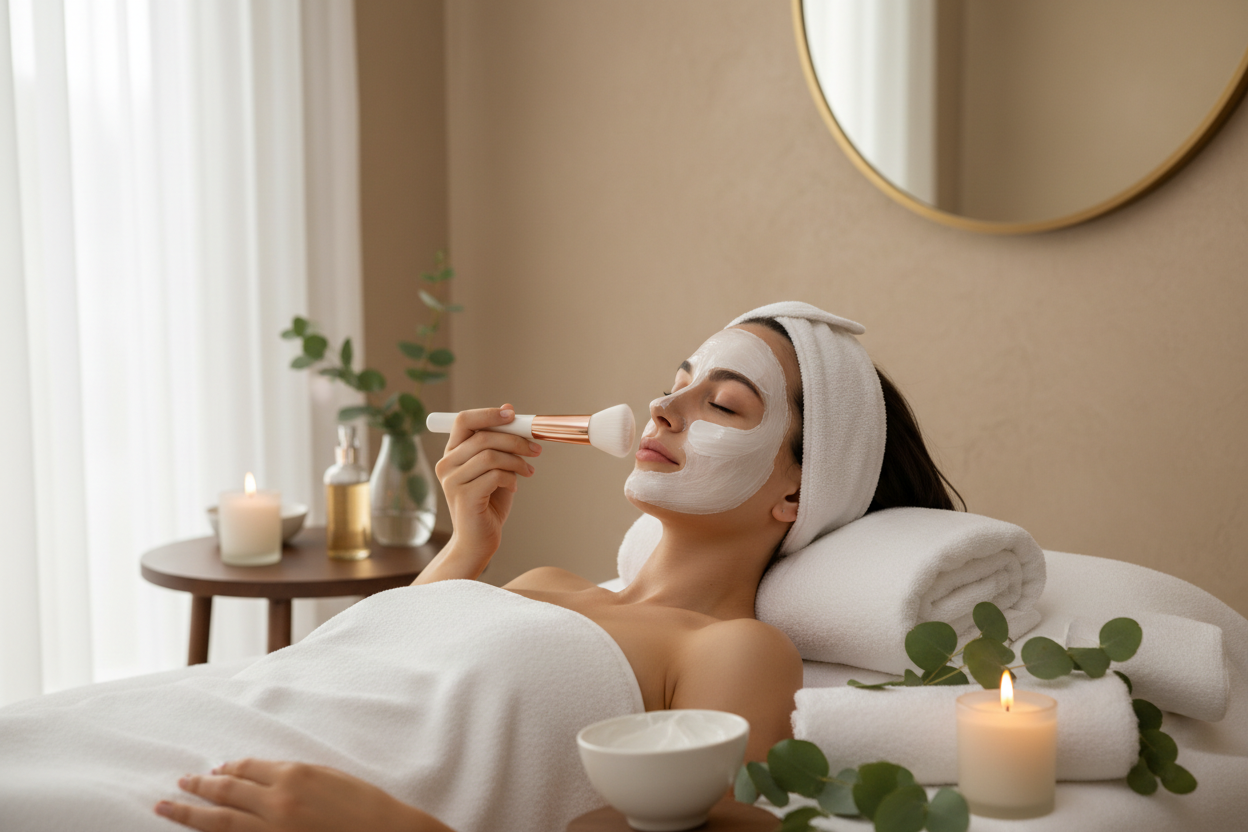
Weekly Face Masks: Your Skin's Reset Button
Think of a face mask as a weekly reset button for your skin. While your daily routine handles the basics, a targeted mask treatment goes deeper — addressing specific concerns, delivering concentrat...
Read more